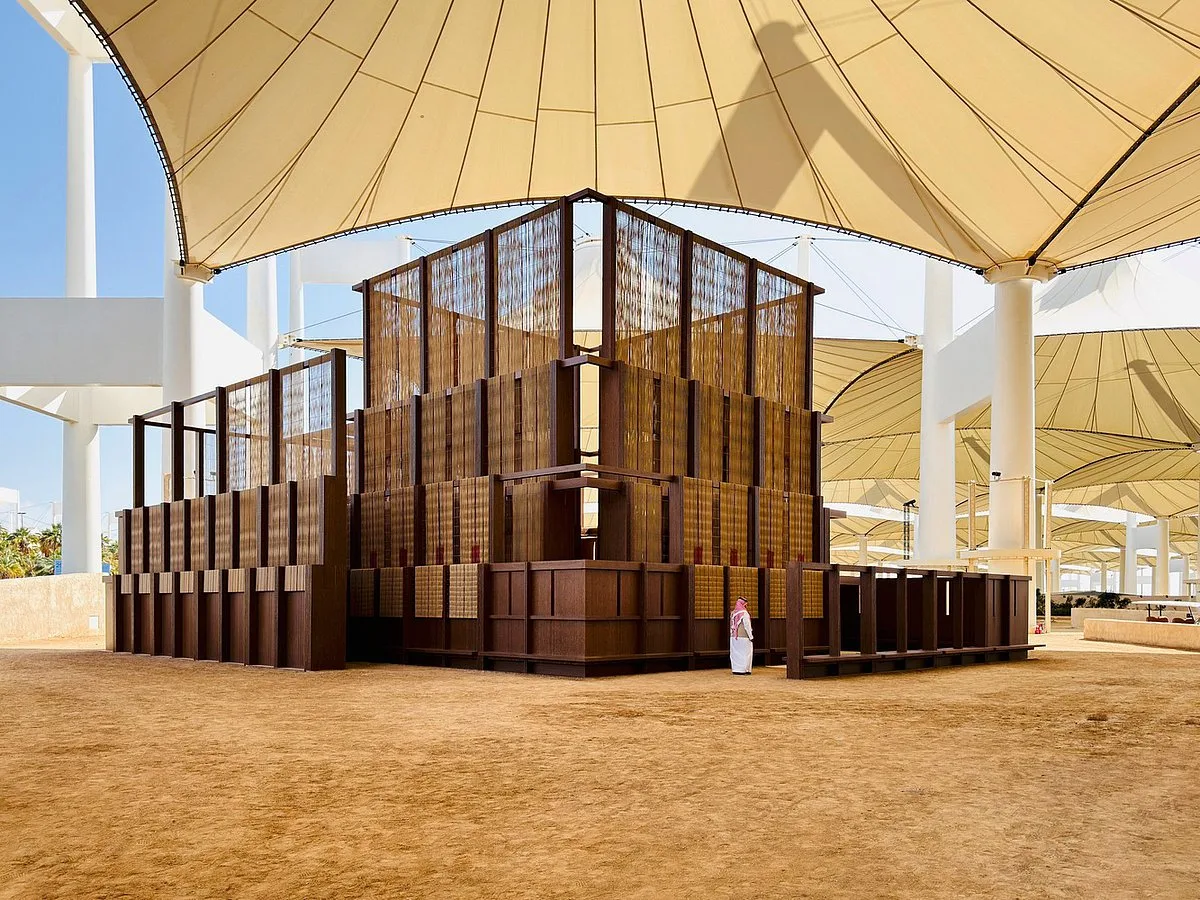
DesertBoard helps reduce environmental impacts in the UAE by producing Palm Strand Board (PSB) as sustainable building materials. These materials are entirely made from palm fronds that were previously burned or buried, thus not only preventing deforestation but also aiding in environmental preservation.
Production Process and Benefits of PSB
Every year, millions of palm fronds are cut in the UAE to maintain the health of 40 million palm trees. In the past, these fronds were simply burned, releasing carbon dioxide. However, now, DesertBoard is reducing greenhouse gas emissions by converting this agricultural waste into PSB. These fire and termite-resistant building boards are specifically designed for various construction applications.
Read more: flydubai begins cabin refurbishment program as it expands its fleet to over 100 aircraft
Abdulkhaleq Taraboulsi, the regional manager of the company, says: "The biggest difference of PSB is that it is the only board produced without cutting trees." These boards are combined with a formaldehyde-free adhesive that also improves indoor air quality.
Alignment with Environmental Policies
DesertBoard aligns with the UAE's 2050 net-zero strategy, the 2030 green biodiversity program, and the national waste-to-resources program. The company also complies with green codes in Dubai and Abu Dhabi. However, Taraboulsi points out the challenges of implementing these regulations, stating: "Currently, green building codes are optional and need to be enforced as standard requirements to create more sustainable buildings."
Given the positive effects of PSB on the environment, DesertBoard is currently active in large projects such as those by Emaar Properties and Select Group in Dubai, and has also built homes using PSB. The company recently designed and built 25 portable homes for the Red Crescent, which have been donated as temporary housing to Jordan.
Taraboulsi says: "We are moving towards larger wooden structures and bio-based building systems, and our goal is to create an environment where sustainability is considered the default standard."
Read more: Dr. Anwar Gargash: Attacks on Saudi Arabia are a threat to the security of the UAE · Sheikh Mohammed bin Rashid Al Maktoum inaugurates the Arab Travel Market 2026